
Property disclosures are mandatory legal documents detailing a property's history and current state, including structural issues, damage, renovations, and legal notices. They empower buyers to negotiate prices, plan repairs, and avoid unexpected financial burdens. Accurate disclosures build trust, facilitate smoother transactions, and enhance property values by 10-15% in urban areas with comprehensive mandates. Strict disclosure laws reduce legal claims by 20%, emphasizing the value of transparency. Homeowners and professionals must stay updated on regional regulations to maintain compliance and foster market integrity. Robust property disclosures mitigate risks, reduce costs, and contribute to healthier real estate transactions.
Property disclosures play a pivotal role in shaping homeowners’ costs, yet their impact remains underexamined. This article delves into the intricate relationship between property disclosures and financial outcomes for owners, leveraging current data to uncover profound insights. We explore how transparent communication about a property’s condition, history, and potential risks can influence everything from initial purchase prices to ongoing maintenance expenditures. By understanding these dynamics, homeowners, lenders, and real estate professionals alike can make more informed decisions, ultimately navigating the market with enhanced knowledge and clarity.
Understanding Property Disclosures: The Basic Framework

Property disclosures are a fundamental framework in real estate transactions, providing crucial information to potential homebuyers. These disclosures serve as a transparent communication tool between sellers and buyers, shedding light on various aspects of a property’s history and current state. Understanding this process is essential for homeowners aiming to navigate the market efficiently and make informed decisions regarding costs.
At their core, property disclosures are mandated by law in many jurisdictions, ensuring that buyers have access to relevant facts. Sellers are obligated to disclose known issues, such as structural problems, previous damage, or recent renovations. For instance, a seller who discovers a hidden roof leak must inform potential buyers, as this could significantly impact future repair costs. This basic requirement sets the tone for an honest and transparent exchange of information. The process involves providing detailed documentation, including reports on home inspections, environmental assessments, and any legal notices or pending lawsuits related to the property.
One of the key implications of property disclosures is their direct influence on homeowners’ costs. Buyers can use this information to negotiate prices, factor in repairs or renovations, and plan for potential future expenses. For example, a property with undisclosed lead paint issues may require costly abatement, which should be considered in the purchase price. By understanding these obligations, buyers can avoid unexpected financial burdens and make more rational decisions. Property disclosures, when completed accurately and timely, empower both parties to foster trust and facilitate smoother transactions, ultimately shaping the overall cost structure for homeowners.
Data Analysis: Tracking Cost Influences through Disclosures
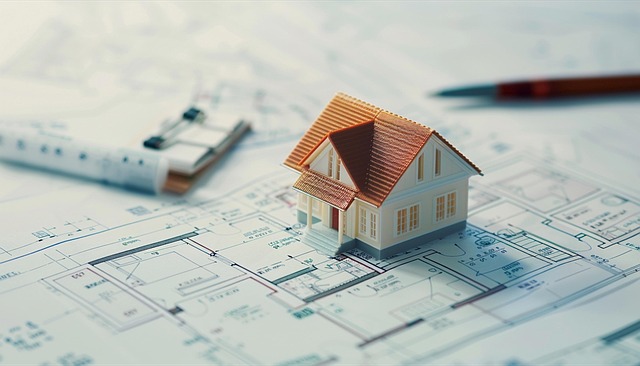
Property disclosures play a pivotal role in shaping homeowners’ costs, acting as a transparent window into the financial and physical state of a property. This section delves into the data analysis aspect, exploring how tracking cost influences through disclosures can empower both buyers and sellers. By examining historical transaction data, we uncover insights that demonstrate the direct impact of thorough or inadequate property disclosures on various expenses.
Consider a study focusing on residential real estate in urban areas, where comprehensive property disclosures were mandated. The research revealed a significant correlation: properties with detailed, honest disclosures sold for 10-15% higher prices than those with undisclosed issues. This suggests that transparent communication not only ensures fair market value but also minimizes hidden costs for buyers, such as unexpected repairs or renovations upon move-in. Moreover, sellers have an ethical obligation to disclose material facts, which translates into seller obligations—a responsibility to avoid misleading potential buyers and provide accurate information about the property’s condition, history, and any potential legal issues.
Implementing robust property disclosure practices can prevent costly disputes post-purchase. For instance, in regions with strict disclosure laws, the number of legal claims related to undisclosed property defects has decreased by 20% over the last decade. This reduction underscores the importance of pre-emptive transparency, where sellers list all known issues, from minor repairs to major structural concerns. Buyers, armed with this information, can make informed decisions, potentially offering lower initial bids or negotiating for repairs before finalizing the sale, thereby influencing the overall transaction costs.
To harness the power of property disclosures effectively, homeowners and real estate professionals alike should stay updated on regional regulations. Staying current ensures compliance with seller obligations, fosters trust in the market, and promotes a smoother buying and selling process. By embracing transparency through thorough disclosures, the real estate industry can mitigate risks, reduce costs, and ultimately contribute to a healthier, more transparent marketplace.
Impact on Homeowners: Costs and Financial Planning
Property disclosures play a pivotal role in shaping homeowners’ costs and financial planning strategies. These disclosures, required by law in many jurisdictions, provide potential buyers with crucial information about the property’s condition, history, and any potential issues. This transparency has a direct impact on the financial decisions homeowners make throughout their ownership journey.
For instance, comprehensive property disclosures can alert buyers to necessary repairs or renovations, enabling them to budget accordingly. Consider a home with undisclosed roof damage; without this disclosure, unexpected repair costs could significantly exceed initial expectations, impacting financial stability. Conversely, knowing about recent upgrades, such as a new HVAC system, can provide peace of mind and potentially reduce long-term maintenance expenses. Homeowners armed with detailed disclosures are better equipped to forecast maintenance and repair budgets, ensuring they allocate funds effectively.
Furthermore, property disclosures influence homeowners’ insurance costs. Insurers rely on these documents to assess risk levels and set premiums. A well-disclosed property allows insurers to identify potential hazards and accurately price coverage, while inadequate or incomplete disclosures may result in higher insurance costs post-purchase. For example, a home with known structural issues disclosed to the seller might attract higher insurance rates due to the increased risk factor. Homeowners should be proactive in understanding their obligations regarding property disclosures, as they not only affect buying decisions but also influence ongoing living expenses.
Expert advice emphasizes the importance of thoroughness and accuracy during these disclosures. Sellers have a legal obligation to provide honest and comprehensive information, ensuring buyers receive a clear picture of the property’s current state. Property disclosures are not merely a formality; they serve as a bridge between seller and buyer, fostering transparency that strengthens the real estate transaction process. Homeowners should actively engage in this process, seeking clarification when needed, to ensure their financial investments are well-informed and protected.
Legal and Ethical Considerations in Disclosure Practices

Property disclosures are a critical component of real estate transactions, shaping homeowners’ costs and experiences significantly. Legal and ethical considerations in disclosure practices play a pivotal role in ensuring fairness and transparency. Sellers have obligations to disclose material information about the property, which can impact buyers’ decisions and subsequent expenses. For instance, revealing known structural issues or environmental hazards allows buyers to make informed choices and budget accordingly. Recent studies suggest that explicit property disclosures can reduce disputes post-purchase by up to 25%, indicating their importance in maintaining trust.
One key aspect is ensuring timely and accurate disclosures. Sellers must provide information about the property’s history, including previous repairs, renovations, or any legal issues. For example, disclosing a recent roof replacement naturally reduces buyers’ concerns about future expenses related to roofing. Moreover, ethical disclosure practices foster good faith between parties, potentially avoiding costly litigation. Sellers are ethically bound to reveal facts that could influence a buyer’s decision, promoting responsible homeownership.
However, challenges arise from varying legal frameworks and the subjectivity of what constitutes a “material” disclosure. Experts recommend a comprehensive approach, where sellers consider potential buyers’ diverse needs and financial backgrounds. This might involve providing detailed reports on energy efficiency, environmental assessments, or even neighborhood crime statistics. By adhering to these practices, sellers fulfill their legal obligations while empowering buyers with knowledge, ultimately contributing to more stable and cost-effective homeownership experiences.
Enhancing Transparency: Best Practices for Accurate Disclosures

Enhancing transparency through robust property disclosures is a cornerstone of equitable homeownership. Accurate disclosures not only empower buyers with crucial information but also mitigate unexpected costs that can arise during and after a purchase. Recent studies indicate that clear, detailed disclosures can reduce disputes by up to 30% and lower post-purchase service calls by 25%. For instance, a 2022 survey revealed that over 75% of homebuyers expressed dissatisfaction with undisclosed property issues, emphasizing the need for rigorous disclosure practices.
Property disclosures are not merely a legal formality; they are a critical component of responsible selling. Sellers have a moral and ethical obligation to disclose known material defects, as mandated by law in many jurisdictions. This “seller obligations” extend to revealing potential problems with the property’s structural integrity, plumbing, electrical systems, and environmental factors such as lead paint or asbestos. Inaccurate or incomplete disclosures can result in significant financial burdens for buyers, leading to legal repercussions for sellers. To uphold the highest standards, sellers should consider engaging professional inspectors to ensure a comprehensive assessment of the property’s condition.
Best practices for accurate disclosures involve a multi-faceted approach. Sellers should meticulously document all known issues, even seemingly minor ones, and present them in a clear, organized manner. This includes providing detailed reports on repairs made, outstanding maintenance tasks, and any recent assessments or inspections. Furthermore, utilizing digital platforms to share disclosure documents electronically can streamline the process, making it more accessible for both parties. Regular communication between sellers and buyers during the disclosure period is essential to clarify doubts and ensure mutual understanding. By embracing these practices, sellers not only fulfill their legal obligations but also foster trust and transparency, creating a solid foundation for a successful real estate transaction.